
Drone photography
The power of uncommon aerial perspectives
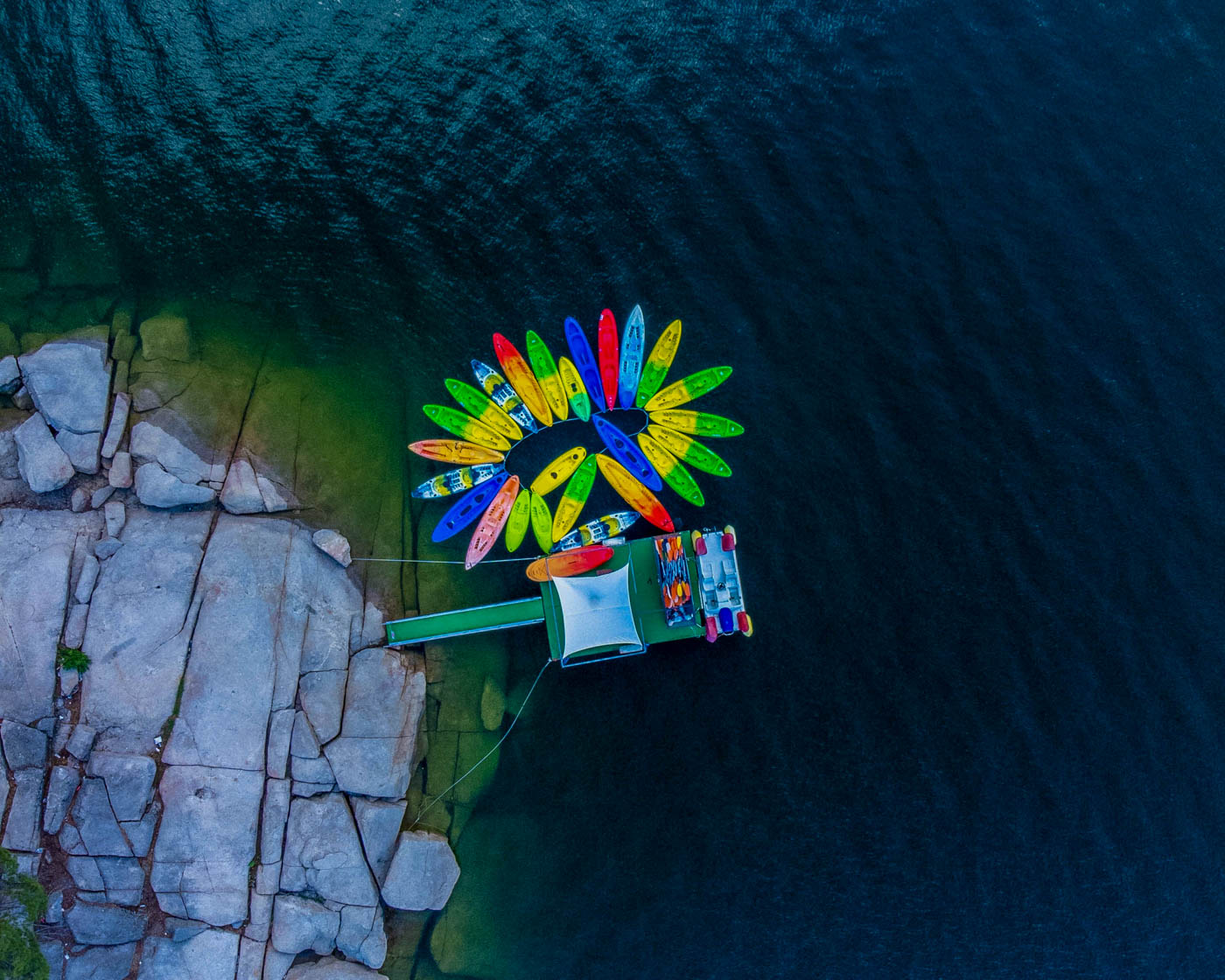
Traditional photography is largely confined to ground-level perspectives. On the contrary, drones offer a dynamic array of viewpoints that can help to elevate creativity to a different level. Drone photography offers breathtaking possibilities by exploring previously unimaginable angles. From soaring aerial shots that reveal vast landscapes to intimate overhead views that uncover intricate patterns, drones empower photographers to tell stories with depth and dimension. One of the most captivating aspects of drone photography is its versatility in angle selection. High-altitude photography can transform ordinary scenes into breathtaking panoramas, capturing the majestic beauty of mountains, coastlines, and city skylines in a way that evokes awe and wonder. Conversely, low-hover angles allow for dramatic compositions that emphasise scale, making subjects appear monumental against their surroundings. Tilting the drone’s camera creates slanted angles. This adds a movie-like style with lines and views that lead the viewer’s eye through the picture. Moreover, drones can manoeuvre into tight or inaccessible spaces, offering unique vantage points such as the tops of waterfalls, the heart of dense forests, or the sweeping curves of architectural marvels. This flexibility opens doors for creative experimentation, enabling the user to play with symmetry, patterns, and textures that are invisible from the ground.
These angles can provide context and scale, transforming fleeting moments into astonishing visual narratives. The ability to adjust altitude and orientation on the fly allows additionally to adapt to changing light conditions, ensuring optimal exposure and mood in every shot. With the recent advances in technology, features like subject tracking, panoramic pictures, and 360-degree rotation further expand the range of angles available,making complex shots achievable even for beginners. Drone photography is not just about height, but rather about perspective. It empowers users to break free from conventional viewpoints and explore the world from angles that challenge perception and ignite imagination. For all these reasons, I have been interested in drones for quite some while before I couldn’t resist any longer and bought a drone.
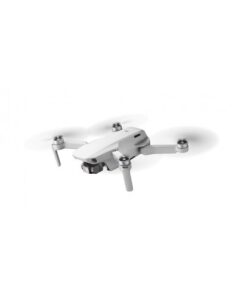
I selected the DJI Mini 2. It is a compact but powerful drone that combines portability, regulatory ease, and sufficient performance, matching my needs and expectations. Weighing just 249 grams, it falls below the 250 g threshold set by European regulations, allowing it to be flown without a formal drone license. This makes it ideal for hobbyists and travelers seeking hassle-free flying. Despite its lightweight design, the Mini 2 offers reasonable capabilities, including a 3-axis gimbal that ensures smooth 4K video and sharp 12 MP photos, while OcuSync 2.0 is supposed to provide a reliable transmission range of up to 10 km. However, to my experience, this also depends to a large extend on the local conditions, as e.g. buildings or mountains can strongly interfer with connectivity. More than once, the ‘Fly Home’ option of the drone saved my investment. On the positve side, with up to 30 minutes of flight time and strong wind resistance, the Mini 2 performs exceptionally well in diverse conditions. Intelligent features like QuickShots and one-tap takeoff make it beginner-friendly, while advanced users appreciate its creative flexibility. In essence, my grading of the DJI Mini 2 is very positive. It delivers the aerial perspectives that I was looking for without the burden of complex regulations, making it the perfect blend of convenience, quality, and freedom for anyone looking to elevate their photography or videography.
Recent Portfolios
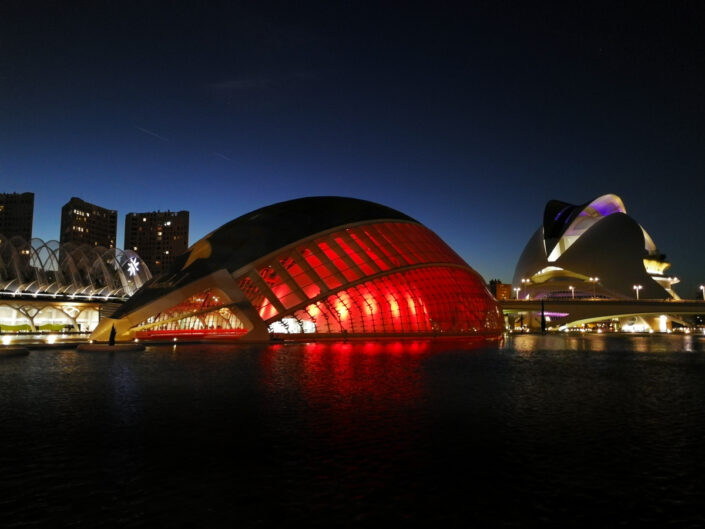
Valencia
My Travels
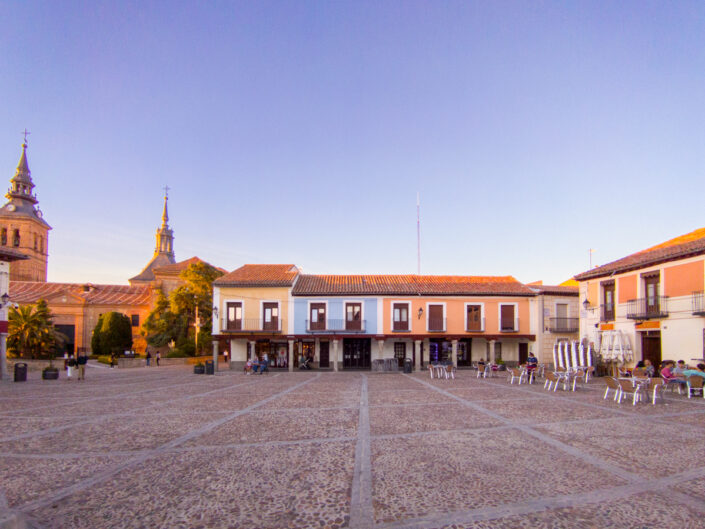
Mi Pueblo