
• Home
  • Projects
  • Blog
  • About me
  • Contact
  • Archives

    • February 2026
    • August 2025
    • December 2024
  • Categories

    • Industry
    • Lifestyle
    • Photography
    • Travel
pixellobo Photography
  • Home
  • Projects
  • Blog
  • About me
  • Contact
Lifestyle  /  Photography  /  Travel
Zaragosa

22/02/2026

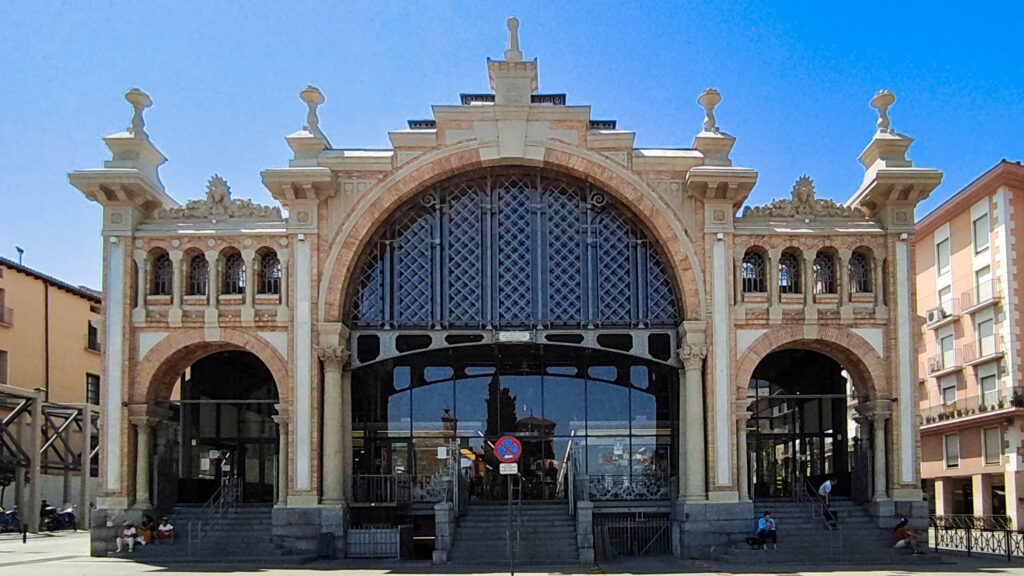
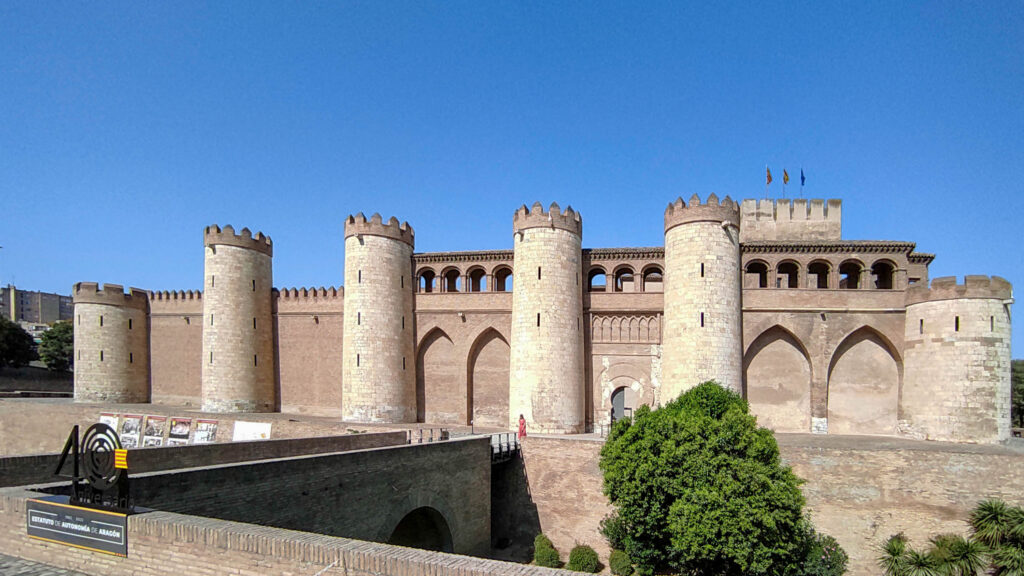
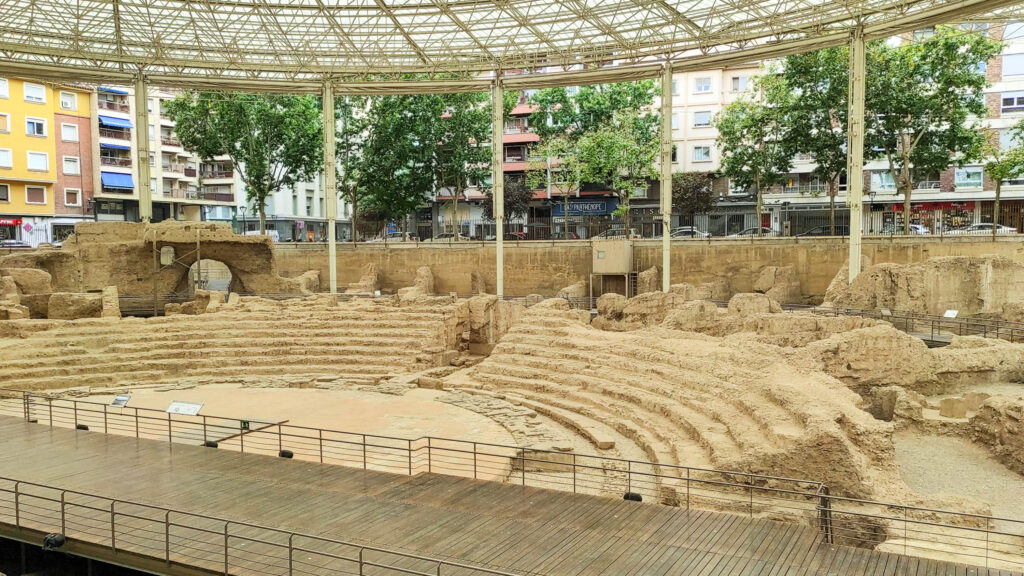
Zaragoza is a city that quietly surprises its visitors. With over two millennia of history nestled along the banks of the Ebro, it offers a unique blend of Roman ruins, Islamic architecture, and baroque domes, all within a walkable historic center. Founded by the Romans as Caesaraugusta during the reign of Emperor Augustus, Zaragoza still retains traces of its past as an imperial colony. Beneath today’s Plaza del Pilar and La Seo, you can explore the remains of the Roman forum, baths, and theatre, which serve as reminders of its former status as a bustling economic hub in the Ebro Valley. These underground spaces beautifully contrast with the lively modern plaza above, especially if you enjoy experimenting with low light and the textures of stone and brick.

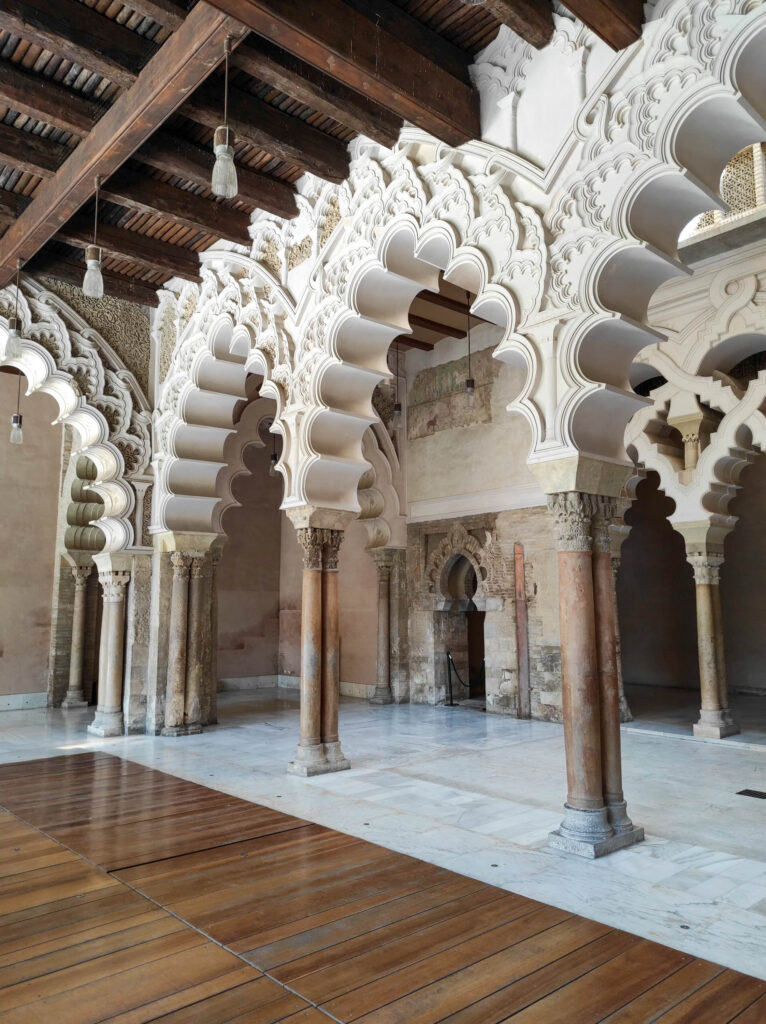
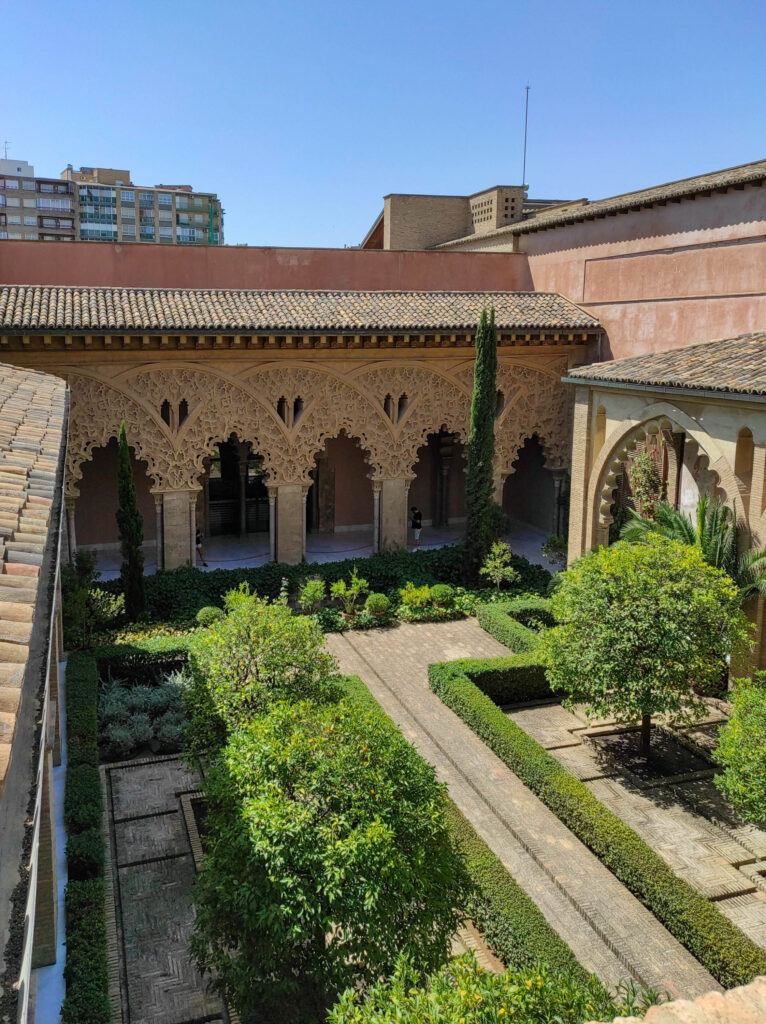
Following Rome, the city thrived under Muslim rule as the capital of the Taifa of سرقسطة Saraqusṭa during the Al-Andalus period, renowned for its defensive walls and elegant palaces. The most prominent architectural legacy from that era is the Aljafería Palace, a fortified Islamic palace now almost unexpectedly nestled within the modern city. Its horseshoe arches, geometric stucco, and garden courtyards are ideal for symmetrical compositions, frame-within-a-frame shots, and studies of light filtering through arcades. The Christian conquest in 1118 transformed the then-named Çaragoça into the capital of the Kingdom of Aragon, introducing new layers of Gothic, Renaissance, and Mudéjar architecture. The clearest example of this layered history is La Seo, the Cathedral of the Saviour, built over the main mosque and now a World Heritage site. Its exterior blends Gothic lines with intricate Mudéjar brick and ceramic decoration, offering a façade that rewards both close-up detail shots and wide architectural views.

Close
Get Directions
'; ';
Add Waypoint
Options hide options
Print Reset
Fetching directions...
Close
Find Nearby Share Location Get Directions

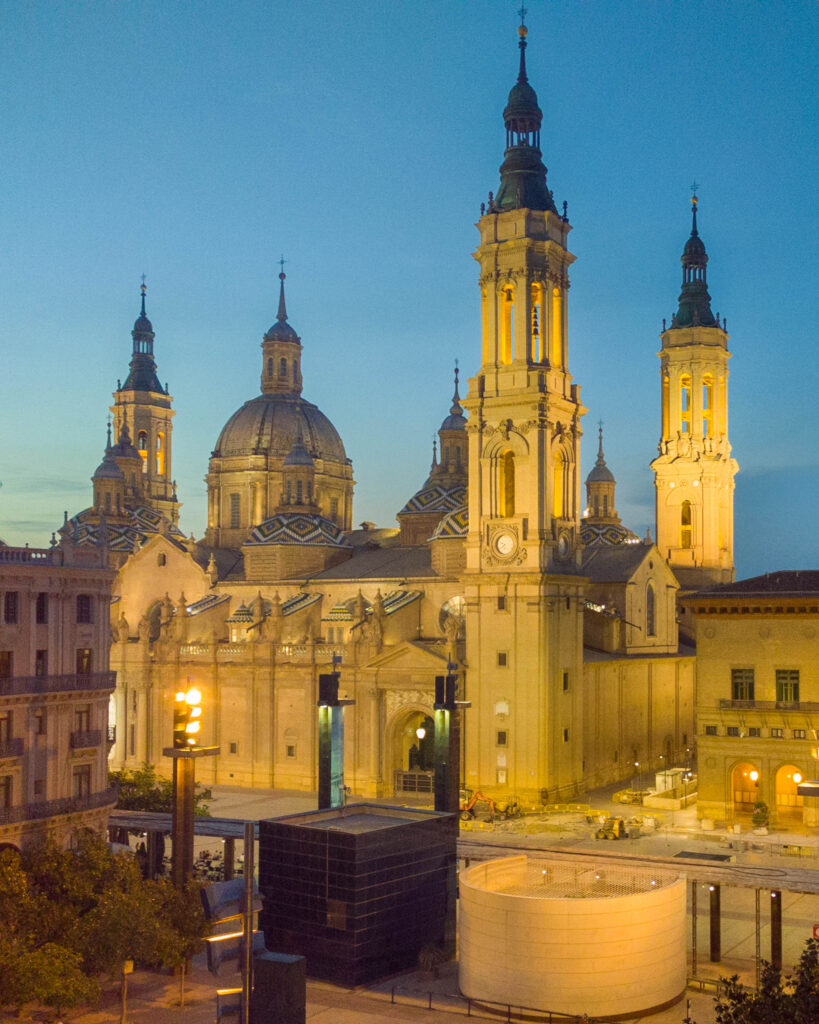
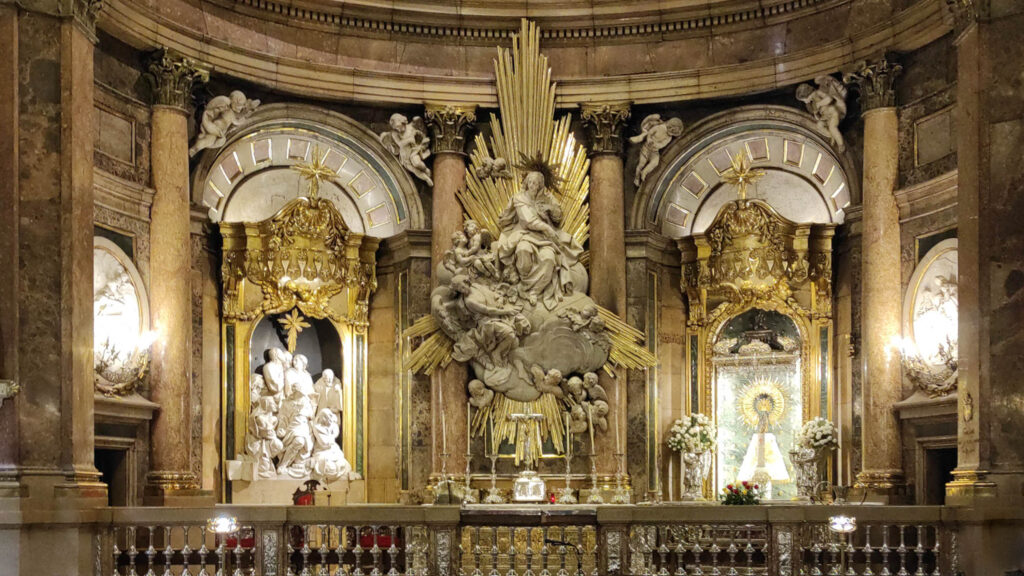
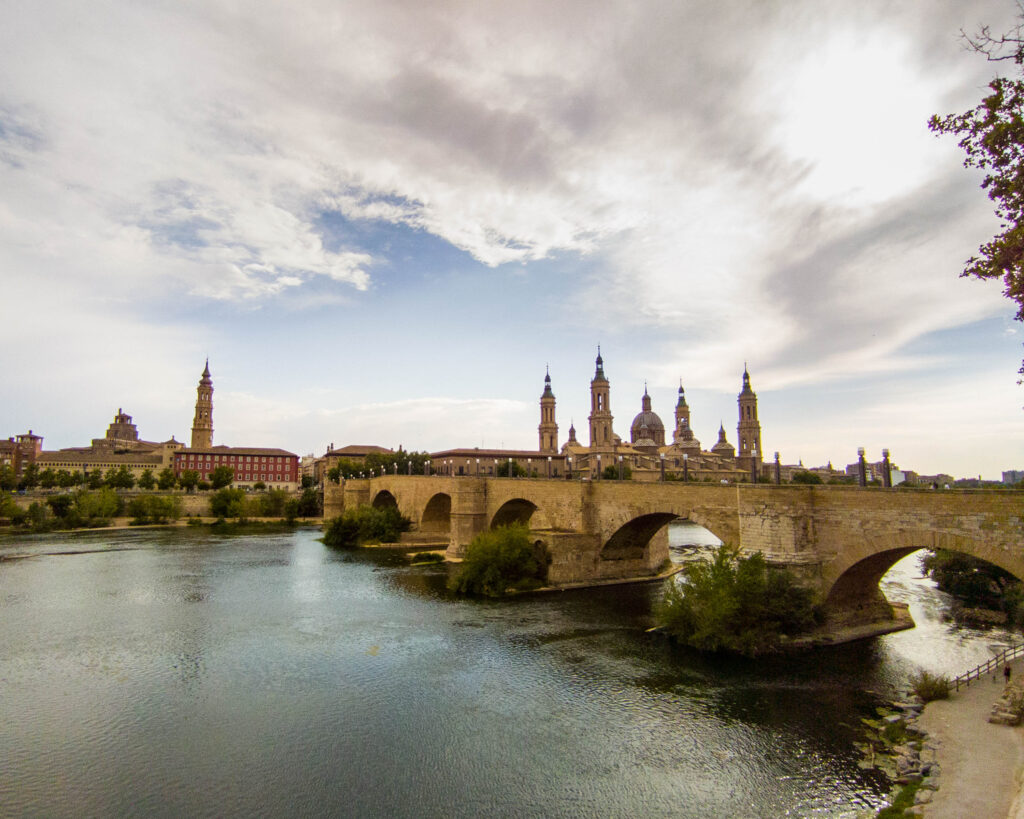
Most visitors, however, are initially captivated by the Basilica del Pilar, the city’s undeniable emblem. This expansive baroque basilica, which began construction in the 17th century, stretches along the river, with its towers and domes shaping the modern Zaragoza skyline. From the Stone Bridge at blue hour, one can capture classic reflections of the basilica and the Ebro, while inside, Goya’s frescoes and the interplay of light beneath the domes invite more intimate compositions. Around Plaza del Pilar, several other iconic buildings contribute to the city’s visual narrative. The Renaissance Lonja de Zaragoza, once a merchants’ exchange and now an exhibition hall, presents a sober, geometric façade that is striking in black and white. Nearby, the neoclassical city hall provides balance to the square, and the monument to Goya offers a human focal point amidst the monumental architecture. For photographers, Zaragoza is less about checking off sights and more about tracing historical layers through its architecture. In a single afternoon, one can transition from Roman stones to Islamic arches, Mudéjar towers, and baroque domes, each offering unique light, color, and texture. It is this continuity of history within the urban fabric that makes Zaragoza such a rewarding city to photograph—and one that deserves far more space on every photographer’s memory card.

Continue Reading

Industry  /  Photography
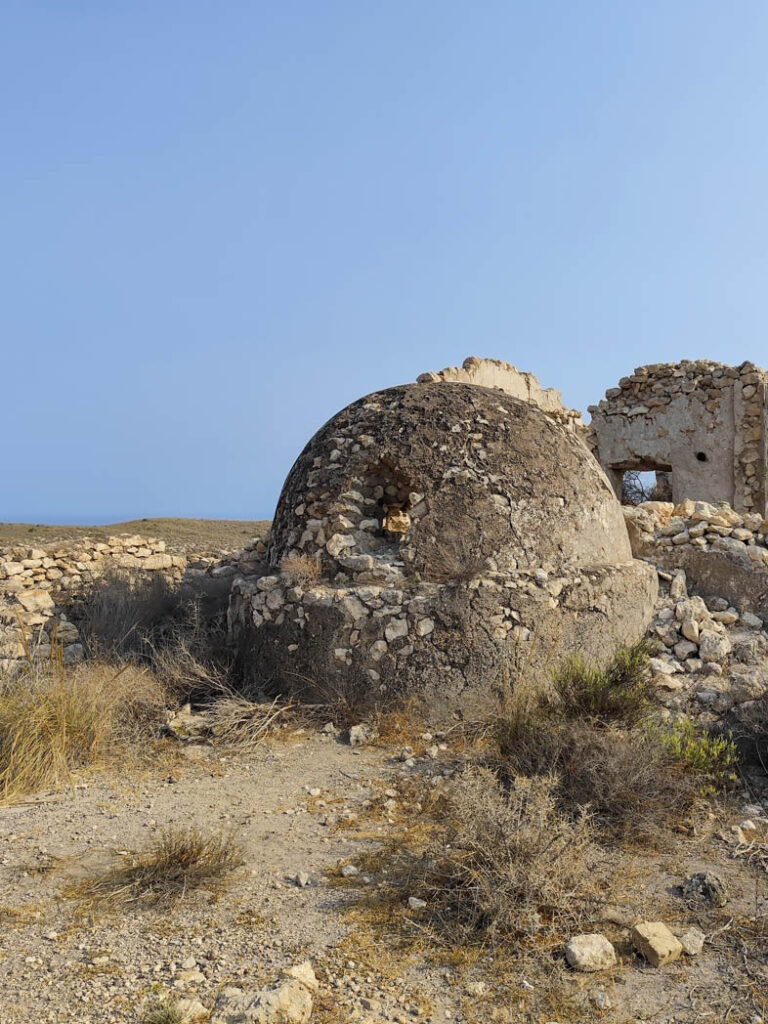
The Mineral Loading Dock of Agua Amarga

31/08/2025

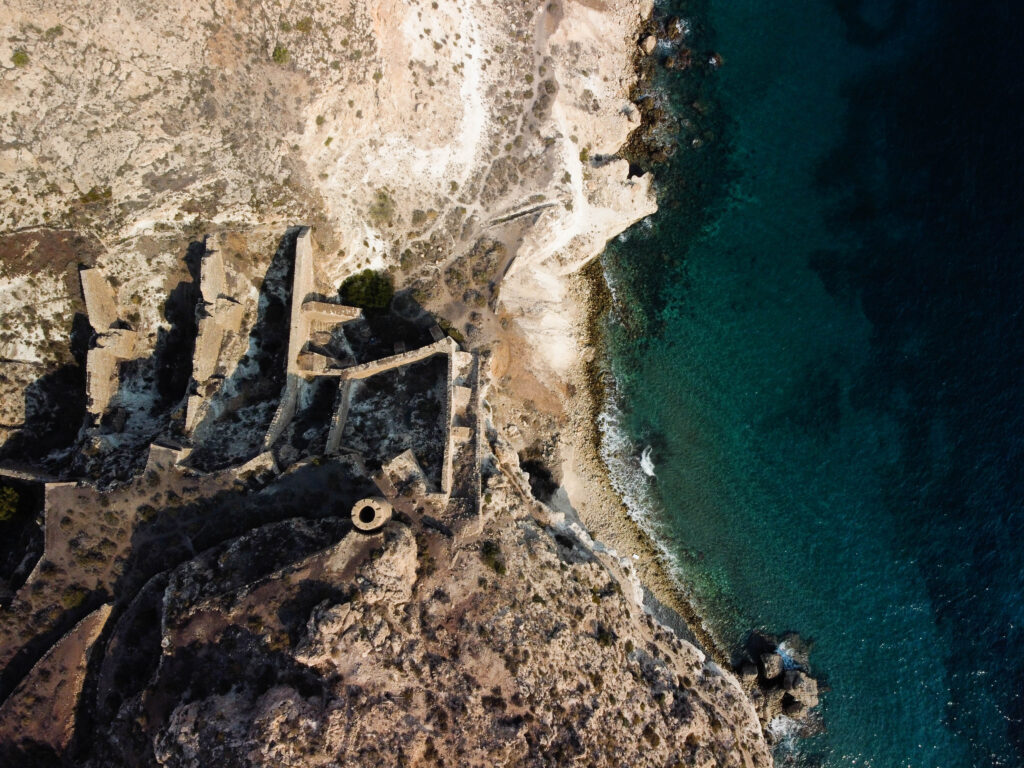
Agua Amarga, located on the coastline of the Cabo de Gata-Níjar Natural Park, is much more than an idyllic beach: it preserves a treasure from the mining past that speaks of its industrial history and a landscape where nature and heritage intertwine. At the end of the 19th century, the mining prosperity of Lucainena de las Torres led to the construction of a railway line to the coast. The Lucainena–Agua Amarga Railway, 36 km in length, was inaugurated in 1896 to transport iron and other minerals extracted from the Sierra Alhamilla to the loading dock in Agua Amarga. The site was chosen for its shelter from the fierce eastern storms. The loading dock, an impressive cantilever structure stretching out over the sea, was designed to load ships directly from the railway wagons. Construction began in 1894, was completed in 1896, and in that same year the first vessel , the steamship Albia, departed from its platform. The infrastructure was a major investment at the time: over 3.3 million pesetas for the railway, nearly 160,000 pesetas for mineral deposits, and 265,000 pesetas for the loading dock itself.

For several decades, the structure served as the link between inland mining and the country’s steel mills. However, after the First World War, the steel crisis, international competition, and labor unrest hit the mining industry hard. In 1931, railway traffic was temporarily suspended, though it resumed after the Spanish Civil War. Finally, in 1942, the cargo ship Bartolo departed for the last time, marking the end of mining activity in the area. Soon after, the locomotives, tracks, bridges, and structures were dismantled. Today, the remains of the loading dock, fragments of the pier, stairways, deposits, and metal frameworks, stand as one of the most remarkable examples of industrial archaeology in Almería. It was included in the General Catalog of Andalusian Historical Heritage in 2003.

The Mineral Loading Dock Viewpoint, perched right on the coast, allows visitors to admire the ensemble in its full splendor: its silhouette against the sea, the proximity of Mesa Roldán, the striking contrast of the Mediterranean blue with the warm tones of the cliffs, and the whitewashed village of Agua Amarga in the background, all create a breathtaking scene. For photography enthusiasts, the site is a dream come true. The combination of rugged cliffs, turquoise waters, and the skeletal remains of the industrial structure makes for a striking composition that feels both timeless and cinematic. At sunrise, the soft light illuminates the dock’s rusted remnants, while at sunset the sea reflects golden hues that highlight its dramatic silhouette. Long-exposure photography captures waves breaking against the remains of the dock, creating an ethereal effect that contrasts beautifully with the hard iron beams.

The location also offers variety: from wide panoramic shots that embrace the coastline and village, to detailed close-ups of textures: the weathered stone, corroded iron, and shifting interplay of shadow and light. Photographers seeking to tell a story can frame their shots to capture the tension between industry and nature, decay and renewal. Even astrophotographers are drawn here, as the relatively low light pollution of Cabo de Gata provides stunning opportunities for night photography with the Milky Way arching above the ruins.

Getting there is easy: from the AL-5106 road toward Playa de los Muertos, past the village, you take Calle Niño and then Calle Ferrocarril Minero, following signs to the viewpoint where parking is available. It is also popular to arrive by kayak or to hike along the Vía Verde (Greenway) that follows the old railway line from Lucainena to Agua Amarga. Walking along these paths, approaching the viewpoint, or carefully descending the crumbling steps allows one to experience a history suspended between land and sea, where industry blends with rugged cliffs. Beyond its historical importance, the site invites reflection — and, for those with a camera in hand, an endless palette of moods and perspectives to capture.

In summary, the Agua Amarga mineral loading dock is an extraordinary place where geography, history, photography, and heritage converge. A silent witness to Almería’s mining past, standing at the edge of the sea, it recalls dreams of prosperity, technical challenges, economic crises, and the transformative power of nature. Without doubt, it is a soulful corner worth celebrating in any blog dedicated to Andalusia’s cultural, scenic, and visual richness.

Continue Reading

Lifestyle  /  Photography
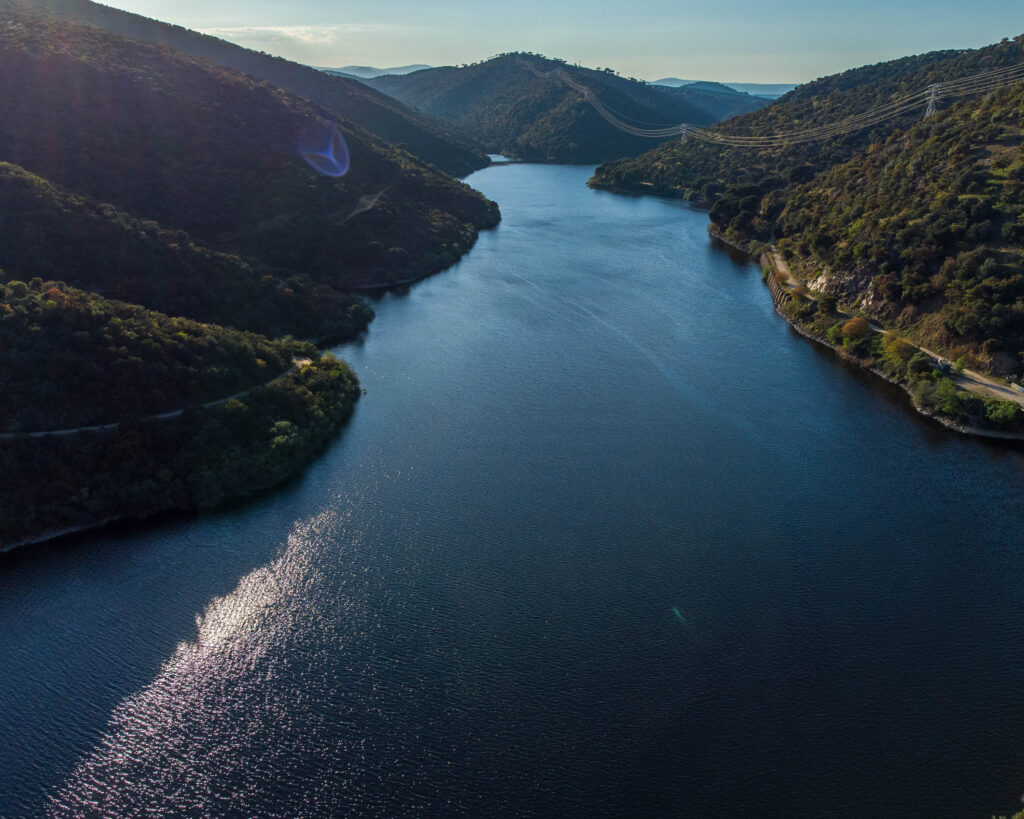
Beauty and History of the Presa de Picadas

22/12/2024

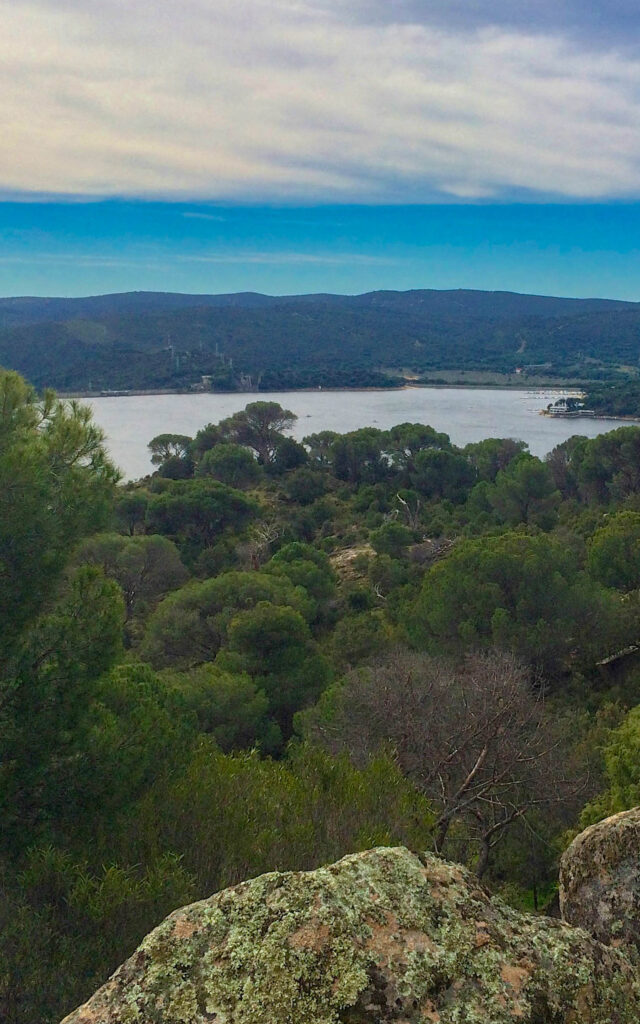
The Presa de Picadas is located in the foothills of the Sierra de Gredos in the Community of Madrid. The dam was built in 1952 and stands as a testament to mid-20th-century engineering. Built on the Alberche River, this gravity dam was designed to harness the river’s flow for multiple purposes, including hydroelectric power, irrigation, and potable water supply, and is part of an important hydraulic complex along with the nearby Embalse de San Juan. The Picadas reservoir is covering an area of 92 hectares, playing a crucial role in water management and recreation in the region.  The dam was constructed in a period marked by significant infrastructure development in Spain, and over the decades, it has become a popular spot for kayaking and biking, attracting both locals and tourists alike. 

The dam itself is an impressive structure, standing 59 meters high and stretching 145 meters in length. Its construction was a significant achievement, contributing to the region’s development by providing essential resources and supporting local agriculture.

The Embalse de Picadas is not just a functional infrastructure; it is a destination that offers a blend of history, natural beauty, and recreational opportunities. Whether you’re a history fan, an outdoor enthusiast, or simply looking for a peaceful retreat, the Embalse de Picadas has something to offer. Pack your camera, and get ready to capture the stunning landscapes and vibrant wildlife that make this spot a true treasure in the heart of Madrid.

Appreciate the most captivating aspects of the Press de Picadas dam, its breathtaking sunsets. As the sun dips below the horizon, the sky transforms into a canvas of vibrant colors, reflecting off the calm waters of the reservoir. The serene environment, combined with the stunning natural light, makes it a perfect spot for photographers looking to capture the essence of Madrid’s natural beauty.

Whether you’re a professional photographer or an amateur enthusiast, the golden hour at the Presa de Picadas offers a unique opportunity to capture the interplay of light and shadow, creating mesmerizing images that highlight the dam’s architectural elegance against the backdrop of nature.

Continue Reading

Industry  /  Photography
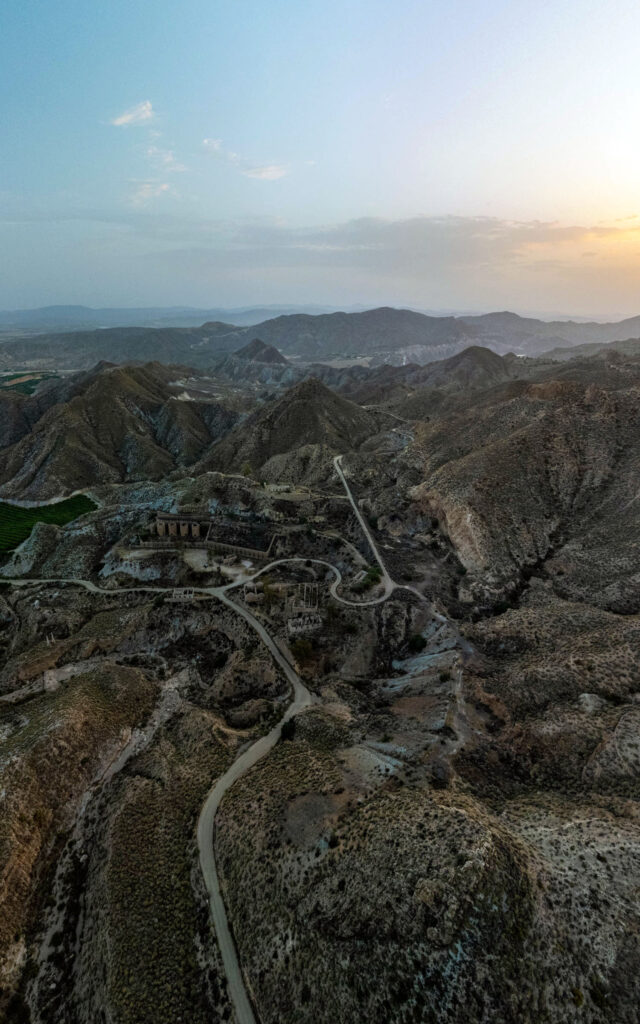
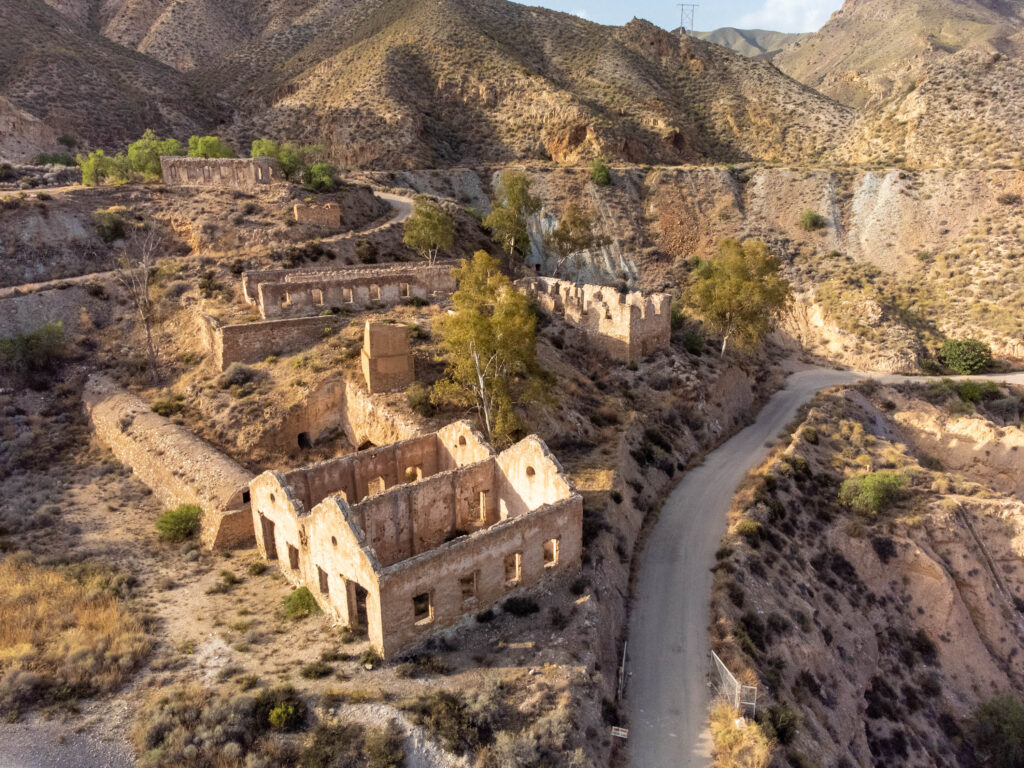
Exploring the Mina de los Tres Pacos

21/12/2024

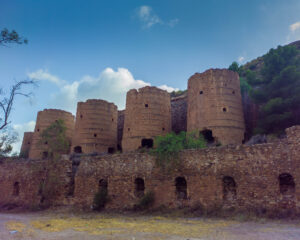
The mine is a hidden gem in Cuevas del Almanzora nestled in the rugged landscape of Cuevas del Almanzora, Almeria. It stands as a testament to the region’s rich mining history. This iron ore mine, established in the late 19th century, played a significant role in the local economy. The mine was initially developed by Pedro Pascual de Gandarias, a prominent industrialist, and saw its peak production in the early 20th century. The installation of a 13.35 km aerial cableway in 1912, designed by Adolf Bleichert & Co., was a remarkable engineering feat of its time, facilitating the transport of minerals to the Cala de las Picotas.

The mine’s operations continued until the 1940s, after which it was abandoned. Today, the remnants of the Mina de los Tres Pacos offer a fascinating glimpse into the past. The site includes various structures such as the main extraction gallery, inclined planes, and the remains of the aerial cableway system. These historical elements make it a captivating destination for history enthusiasts and photographers alike

For photography enthusiasts, the Mina de los Tres Pacos provides a unique opportunity to capture the haunting beauty of industrial decay. The juxtaposition of rusting machinery against the natural backdrop of the Sierra de Almagro creates striking visual contrasts. The site is particularly photogenic during the golden hours of sunrise and sunset, when the light casts dramatic shadows and highlights the textures of the old mining equipment. Visiting the area, you can also explore the nearby village of Cuevas del Almanzora, known for its charming streets and historical landmarks. The combination of cultural heritage and natural beauty makes the Mina de los Tres Pacos a must-visit spot for anyone traveling through Almeria. Whether you’re a history buff, a photography lover, or simply looking for a unique adventure, this hidden gem offers a rich and rewarding experience

Continue Reading

Lifestyle  /  Photography
Embalse de San Juan

17/12/2024

The saying that there is no beach in Madrid is not entirely true. It is true that Madrid’s beaches lack waves, and there is also no feel of salt on the skin and in the hair, but you can spread and place your towel on sand and take a bath in Madrid as well. The Embalse de San Juan is located about 70 kilometers from the city center, and dams the waters of the Alberche River into a considerable water reservoir, where bathing is officially allowed. What’s more, one of the beaches, Virgen de la Nueva, flies the blue flag, that distinctive mark with which the best beaches in the country are recognized, not only for the quality of its waters but also for the quality of its services and access facilities. All this at the foot of the Sierra de Gredos.

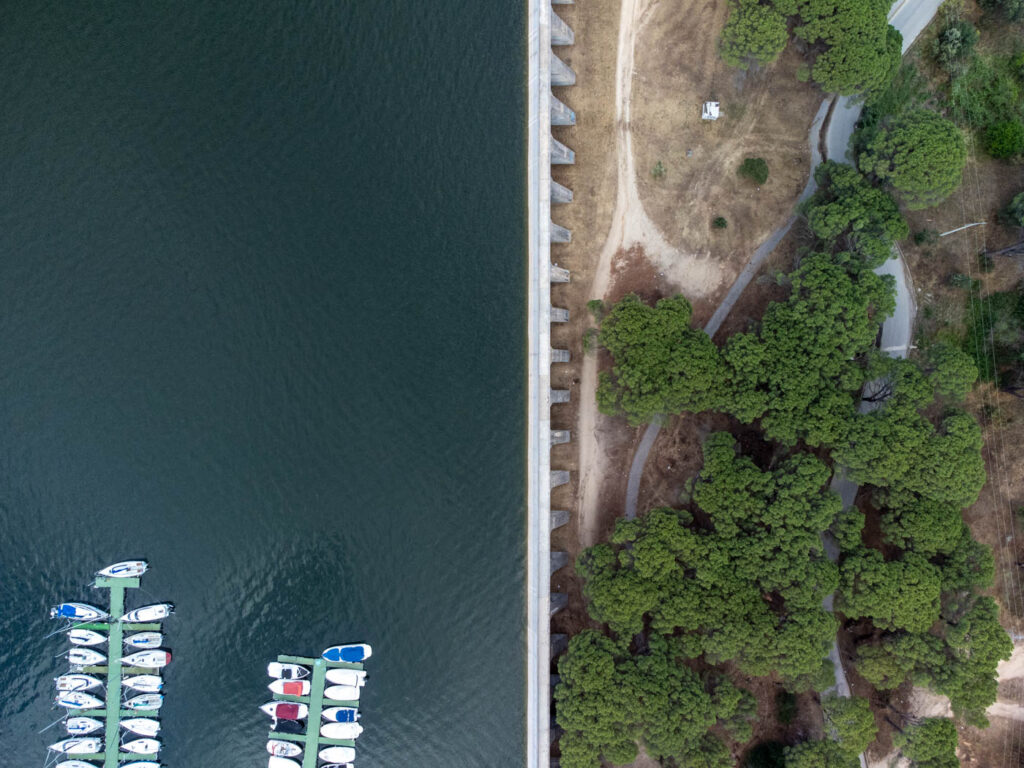
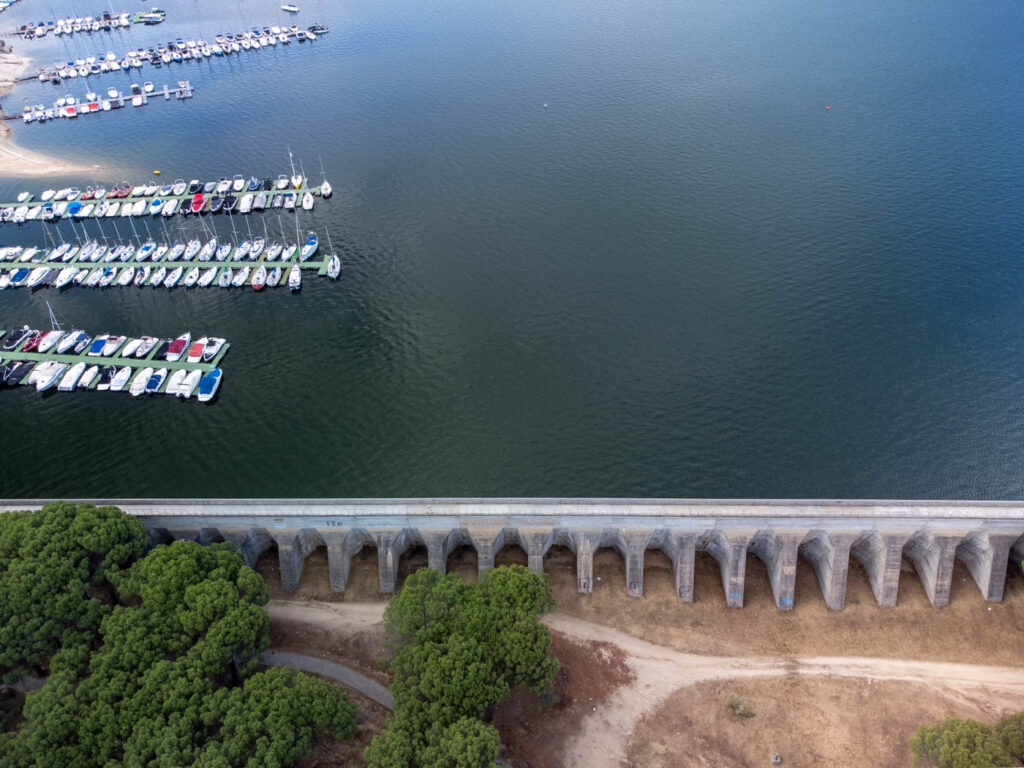
For photography enthusiasts, the Embalse de San Juan offers a wealth of opportunities. The serene waters, surrounded by lush greenery and the majestic backdrop of the Sierra de Gredos, provide stunning landscapes to capture. The area is particularly well-suited for drone photography, allowing you to capture unique aerial perspectives of the dam and its surroundings. Whether you’re a professional or a hobbyist, the Embalse de San Juan is a must-visit location to add to your photography portfolio.

Continue Reading


El Lobo - My Photography Project © Stephan Pollmann 2024. All Rights Reserved.